
Why Does My Car Paint Look Dull?
Why does my car paint look dull? UV damage, oxidation, and swirl marks explained — and how paint correction brings the gloss back for good.
How to Restore Dull Car Paint: 4 Steps
Work through these in order — each step builds on the last.
Wash Thoroughly
Use a pH-balanced car shampoo and a microfibre wash mitt. This removes loose contaminants and gives you a clean surface to work on — polishing over dirt creates more scratches.
Clay Bar Treatment
A clay bar pulls out bonded contaminants that washing can't shift — tar, brake dust, industrial fallout. Run it across wet paint until the surface feels completely smooth to the touch.
Polish the Paint
Use a machine or hand polish to remove the oxidised top layer of clear coat and restore depth and gloss. Start with a cutting compound if the dullness is heavy, then follow with a finishing polish.
Apply Wax or Paint Sealant
Wax or sealant locks in the shine and adds a protective layer against UV rays, water, and contaminants. Reapply every 3–6 months to maintain the finish.
Dull Paint, Brought Back
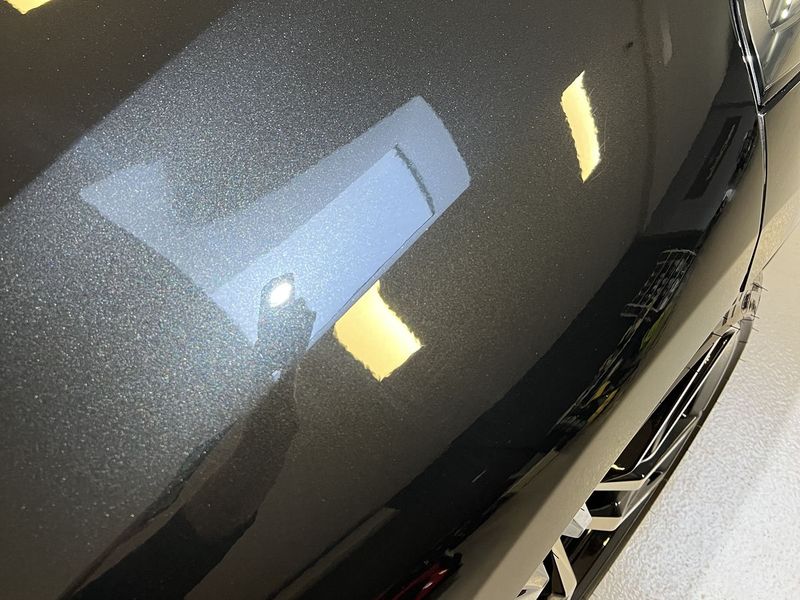
Dullness is light scattering off a degraded clear coat instead of reflecting off it. In each before frame the panel absorbs the workshop lighting; in each after frame it throws it back. Same panel, same lights, same session, no retouching.
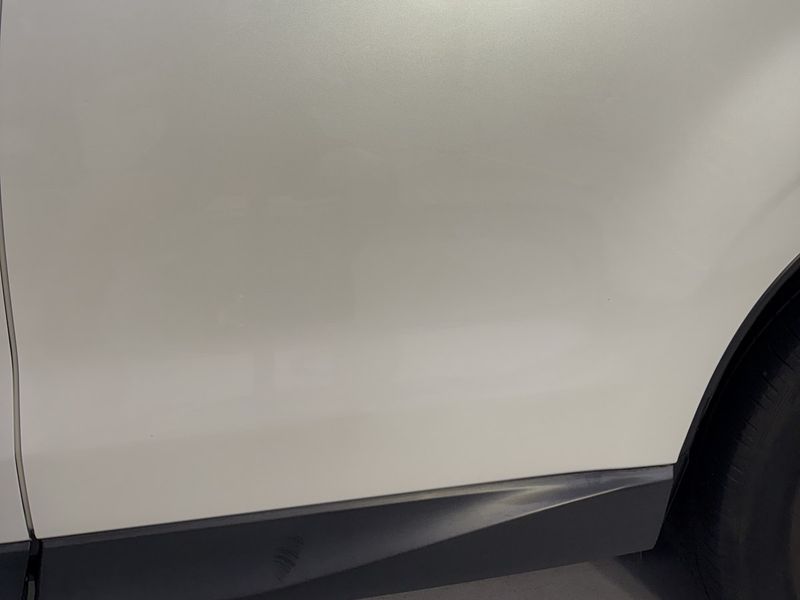 After
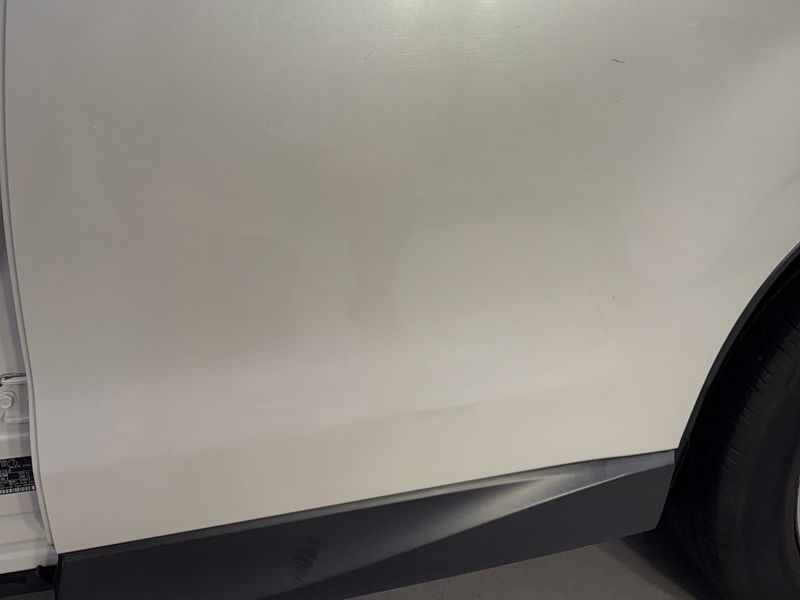 Before
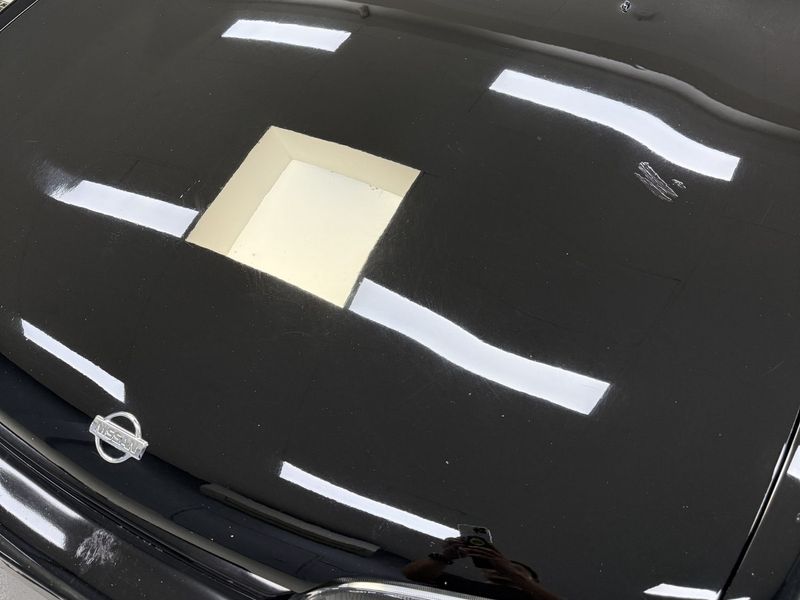 After
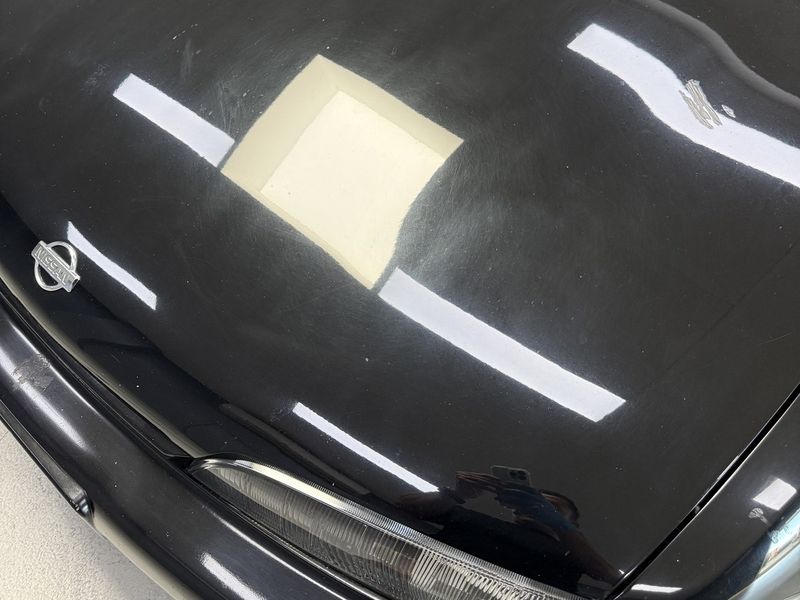 Before
Want Your Paint Looking This Good Permanently?
If your paint has gone dull, a full detail followed by paint correction is the most complete fix available. We remove contamination, correct the paint surface, and lock in a high-gloss finish that resists UV, bird droppings, water spots, and road grime. No more temporary cover-ups — just clean, deep, protected paint. Book an assessment and we'll tell you exactly what your car needs.
Why Does Paint Go Dull? Your Questions Answered
What causes car paint to look dull?
The most common causes are UV-driven oxidation (which breaks down the clear coat), surface contamination from road grime, bird droppings, and tree sap, micro-scratches from improper washing, and general paint ageing. Sydney's sun accelerates all of these — cars parked outdoors tend to dull faster than garaged ones.
Is dull paint the same as oxidised paint?
Not always, but oxidation is a major contributor. When UV rays break down the clear coat, the surface loses its gloss and takes on a chalky or hazy look. Light dullness from contamination or swirl marks is easier to reverse — heavy oxidation usually requires paint correction or a machine polish to restore.
Can I restore dull paint at home?
Yes, for light dullness. A thorough wash, clay bar treatment, and hand or machine polish with a finishing compound can bring back a lot of shine. For anything beyond light surface dullness — heavy oxidation, deep swirl marks, or widespread fading — professional paint correction will get better results without risking damage to thin clear coat.
When should I consider professional paint correction?
When washing and waxing no longer improve the appearance, or when you have visible swirl marks, buffer trails, oxidation haze, or fading across large panels. Paint correction removes the damaged outer layer of clear coat to reveal fresh, glossy paint underneath — it's a lasting fix, not a temporary cover-up. At Pro Detailing Sydney, single-stage paint correction is included in the DIAMOND Protection package from $1,650, with the car in our Wareemba workshop for two full days while the coating cures.

Book a Detail with Sydney's Trusted Specialists
From a full exterior wash to paint correction and ceramic coating — choose the package that suits your car and budget.
Related Articles
How Do I Remove Swirl Marks?
What causes swirl marks and the step-by-step process to remove them safely.
Read the GuideClear Coat Peeling?
What causes clear coat failure and when it can be fixed without a full respray.
Read the Guide